In the healthcare field, preventing infection is always a top priority. Phlebotomy training places a particular emphasis on infection control. Phlebotomists work directly with blood and bodily fluids, making them key players in preventing the spread of infections in hospitals, clinics, and labs. Understanding and practicing proper infection control techniques is essential not just for patient safety, but also for protecting phlebotomists and other healthcare workers.
The Role of Infection Control in Phlebotomy
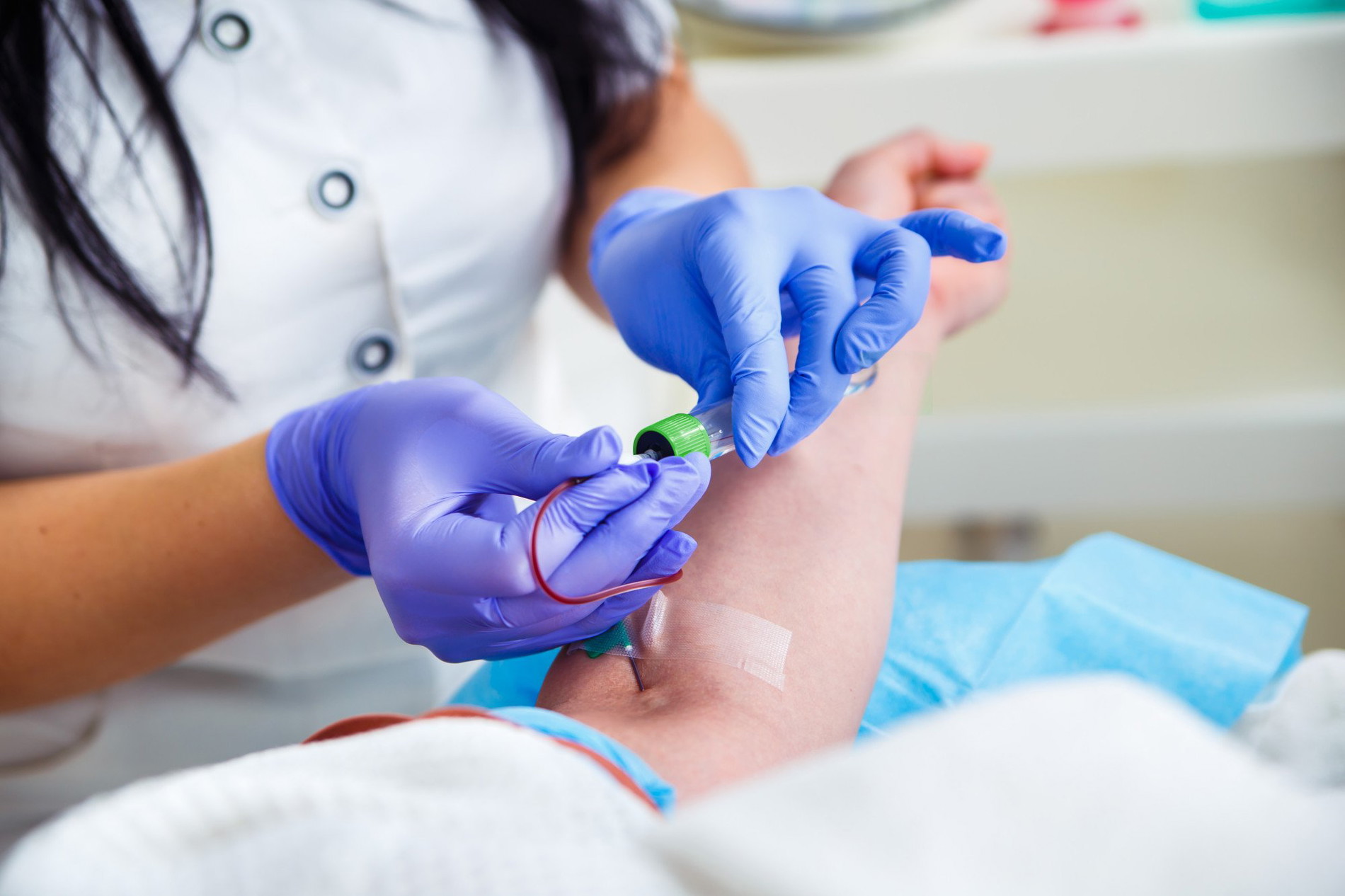
Infection control in phlebotomy is more than just a best practice—it’s a critical component of patient care. Phlebotomists frequently handle needles, blood collection equipment, and patient contact, which can expose them and others to infectious agents. Without strict infection control, healthcare-associated infections (HAIs) can easily spread, compromising the health of patients and staff.
Proper hand hygiene, use of personal protective equipment (PPE), and sterilization of equipment are foundational in any phlebotomy training program. These skills not only help reduce infection rates but also ensure compliance with safety regulations set by OSHA and the CDC. Phlebotomists are trained to recognize signs of infection, handle biohazard materials correctly, and respond effectively to exposure incidents.
Boosting Your Career through Phlebotomy Training
Getting trained in phlebotomy is more than just learning to draw blood—it’s an opportunity to build a healthcare career from the ground up. Many healthcare professionals begin their journey with phlebotomy jobs, gaining valuable clinical experience while working alongside nurses, medical assistants, and laboratory technicians.
Phlebotomy training opens doors to employment in a variety of settings, such as hospitals, private labs, diagnostic centers, and mobile blood donation units. These roles often serve as stepping stones to more advanced positions in the medical field. Employers value trained phlebotomists who understand infection control, as this directly affects patient outcomes and overall facility safety.
At Healthcare Career College (HCC), our phlebotomy technician program prepares students with hands-on experience and a strong focus on safety protocols. With this foundation, you can pursue a fulfilling healthcare career with growth potential.
Training Timeline: How Long Does It Take?
One of the most attractive aspects of becoming a phlebotomy technician is the relatively short training time. Most phlebotomy programs, including the one at Healthcare Career College, can be completed in just a few months. This means students can quickly move from training to earning, without the long years of schooling required in other medical professions.
In just a short period, students learn blood collection techniques, anatomy, safety protocols, and infection prevention practices. This accelerated path makes it possible for individuals to quickly enter the workforce and start making a difference in patient care.
Start Your Journey Today
Understanding infection control is a vital part of phlebotomy and an essential skill for anyone entering the healthcare field. Whether you’re starting your first job in healthcare or looking to advance your career, phlebotomy training provides both the knowledge and experience needed to succeed.
Enroll in the HCC phlebotomy technician program and take the first step toward a rewarding and impactful career in healthcare.
Key Takeaways
Why is infection control important in phlebotomy?
Infection control helps protect patients and healthcare professionals by reducing the risk of spreading bloodborne pathogens and other infectious diseases during blood collection.
What infection control practices do phlebotomy technicians follow?
Phlebotomy technicians use proper hand hygiene, wear personal protective equipment (PPE), sterilize equipment, safely dispose of needles, and follow standard safety protocols to prevent contamination.
How does infection control improve patient care?
Following infection control procedures promotes a safe healthcare environment, helps prevent infections, and ensures blood samples are collected accurately and safely.